
Solv Design System
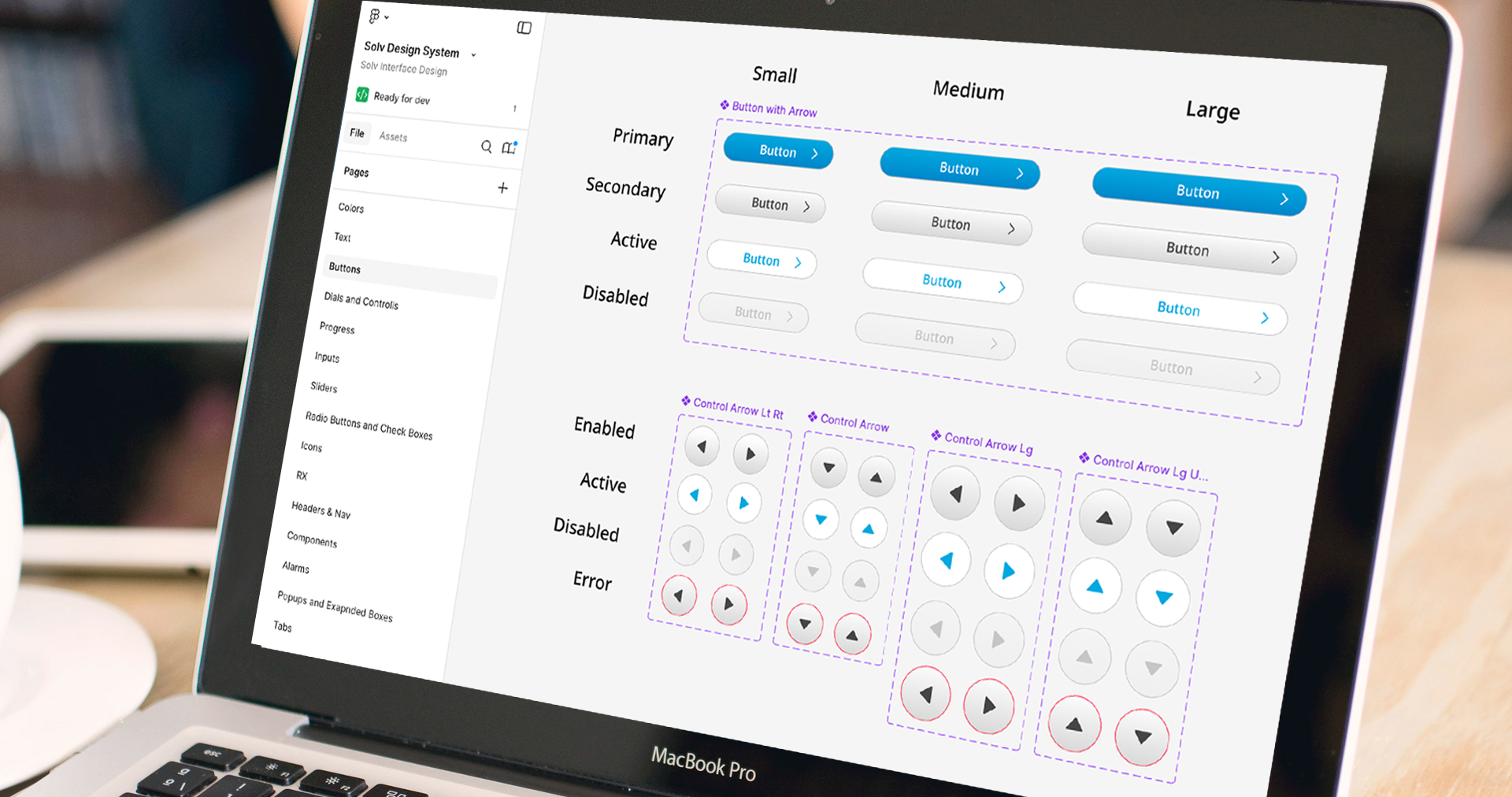
I led the creation of the Solv scalable design system built in Figma to establish a vital "source of truth" for Mozarc Medical’s home dialysis interfaces. By replacing fragmented workflows with a centralized library of variables and reusable patterns, the system eliminated design inconsistencies and significantly boosted team efficiency. This framework ensures that all current and future medical workflows remain accessible, cohesive, and rapid to deploy.
My Role
• Led Design Strategy
• Comprehensive UI Audit
• Accessibility and Brand Updates
• Implementation & Product Integration
• System Management & Evolution
• Led Design Strategy
• Comprehensive UI Audit
• Accessibility and Brand Updates
• Implementation & Product Integration
• System Management & Evolution
Challenges
The primary challenge was overcoming the operational friction of a fragmented design environment. Without a unified system, inconsistent UI and inefficient workflows hindered the development of complex medical interfaces.
I was tasked with architecting a robust, scalable framework in Figma capable of handling high-stakes medical workflows and strict accessibility standards. A major technical hurdle involved migrating all legacy designs from Adobe XD to Figma—a process that required the seamless integration of the new design system alongside critical brand updates and accessibility enhancements to future-proof the product.
Strategy & Methods
Step 1: Comprehensive UI Audit
I performed an exhaustive inventory of existing design elements, patterns, and styles. This allowed me to identify commonalities and flag inconsistencies across the legacy project files.
I performed an exhaustive inventory of existing design elements, patterns, and styles. This allowed me to identify commonalities and flag inconsistencies across the legacy project files.
Step 2: Accessibility & Brand Elevation
I updated existing designs to exceed WCAG accessibility standards while ensuring strict alignment with the brand’s evolving visual identity.
I updated existing designs to exceed WCAG accessibility standards while ensuring strict alignment with the brand’s evolving visual identity.
Step 3: Addressing Unmet User Needs
In partnership with the Human Factors team, I identified and addressed unmet user needs, specifically focusing on refining interaction patterns and ensuring cognitive consistency across the interface.
In partnership with the Human Factors team, I identified and addressed unmet user needs, specifically focusing on refining interaction patterns and ensuring cognitive consistency across the interface.
Step 4: Building the Component Library
I architected a comprehensive design system in Figma, utilizing variables and auto-layout to provide a single source of truth for all design patterns and components.
I architected a comprehensive design system in Figma, utilizing variables and auto-layout to provide a single source of truth for all design patterns and components.
Step 5: Implementation & Communication
I integrated the design system into both new and ongoing projects to realize immediate gains in efficiency. To ensure long-term adoption, I established a communication pipeline to keep cross-functional teams informed of updates and new component additions.
I integrated the design system into both new and ongoing projects to realize immediate gains in efficiency. To ensure long-term adoption, I established a communication pipeline to keep cross-functional teams informed of updates and new component additions.
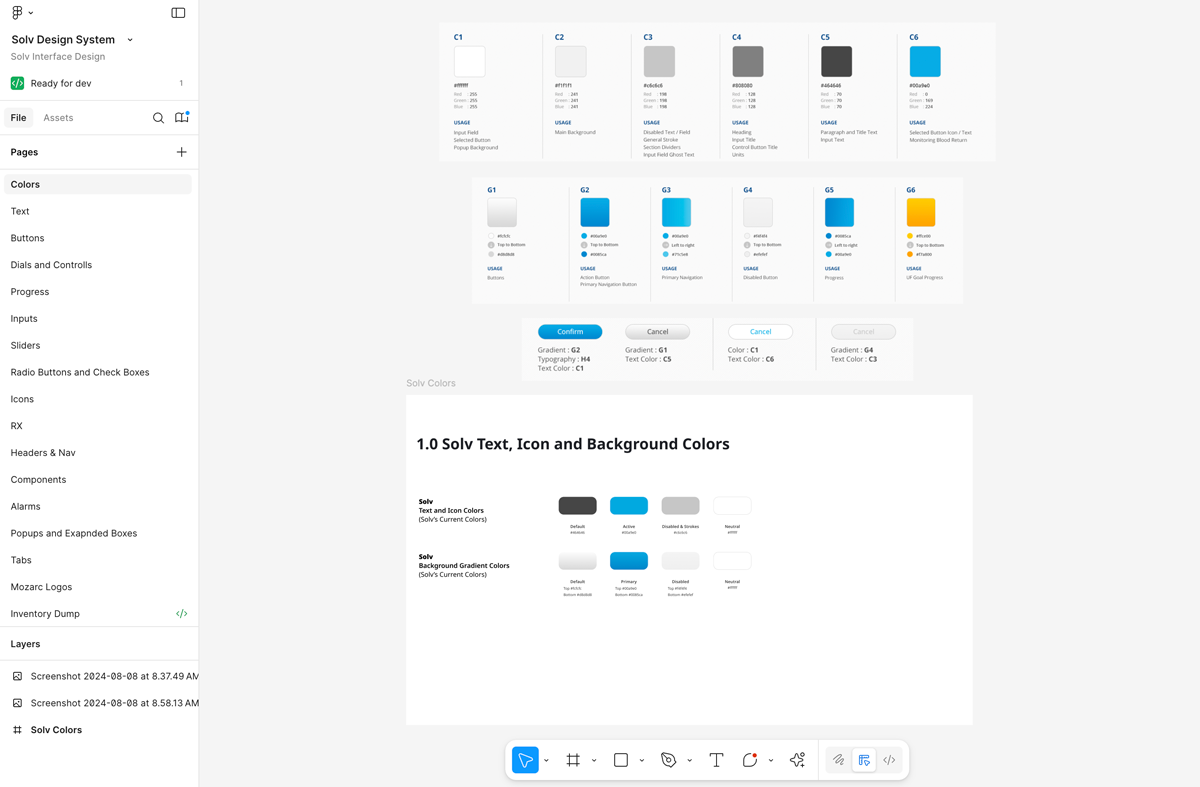
Solv Design System - Colors
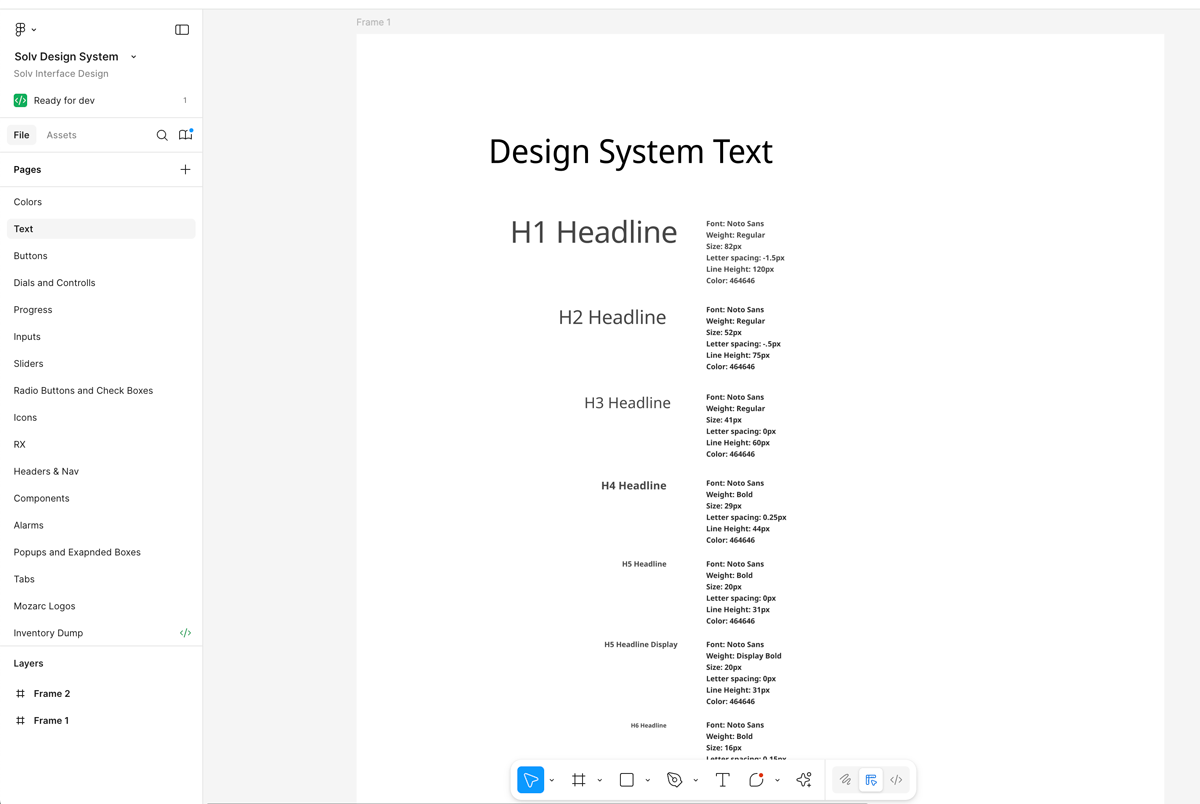
Solv Design System - Text
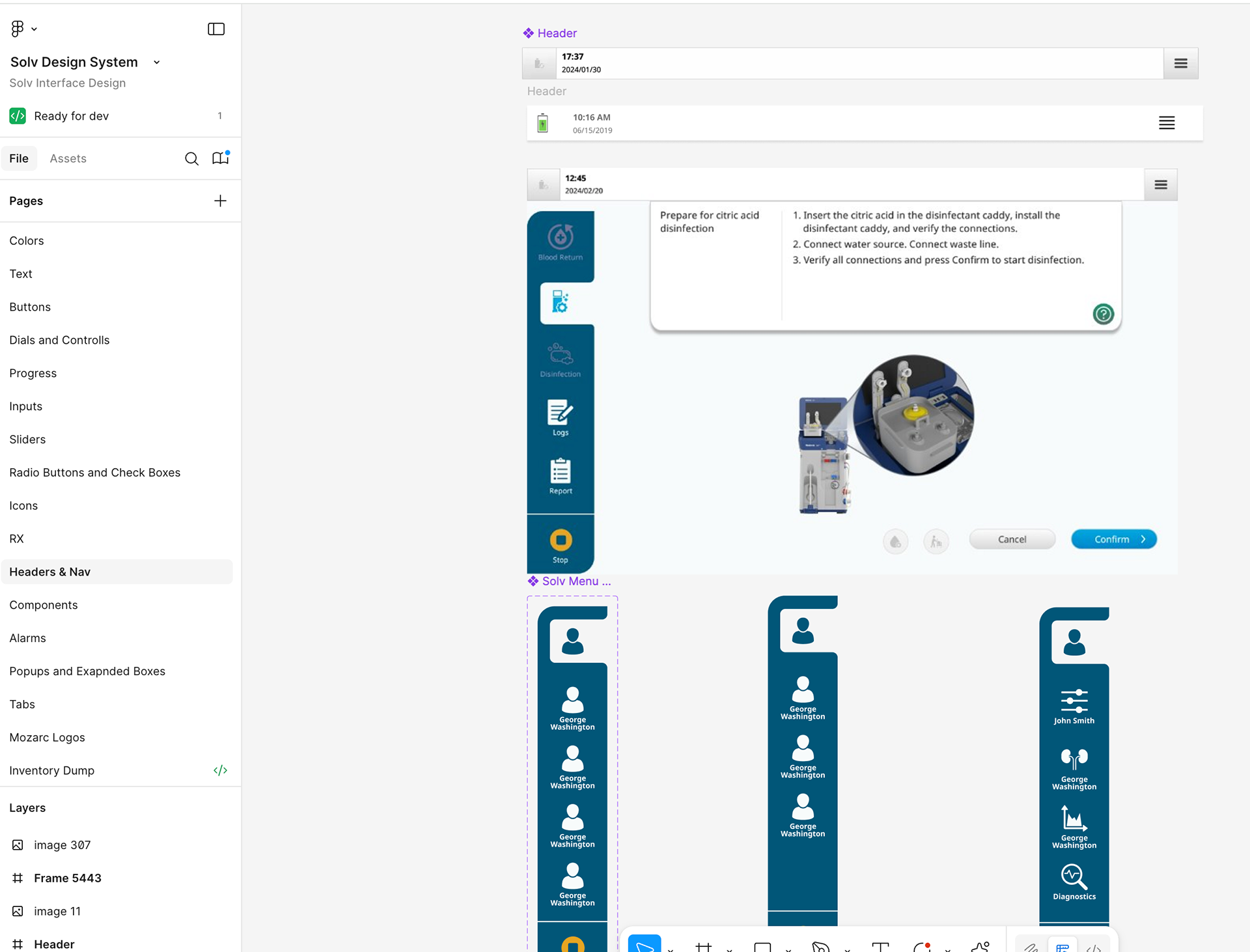
Solv Design System - Header & Nav Components
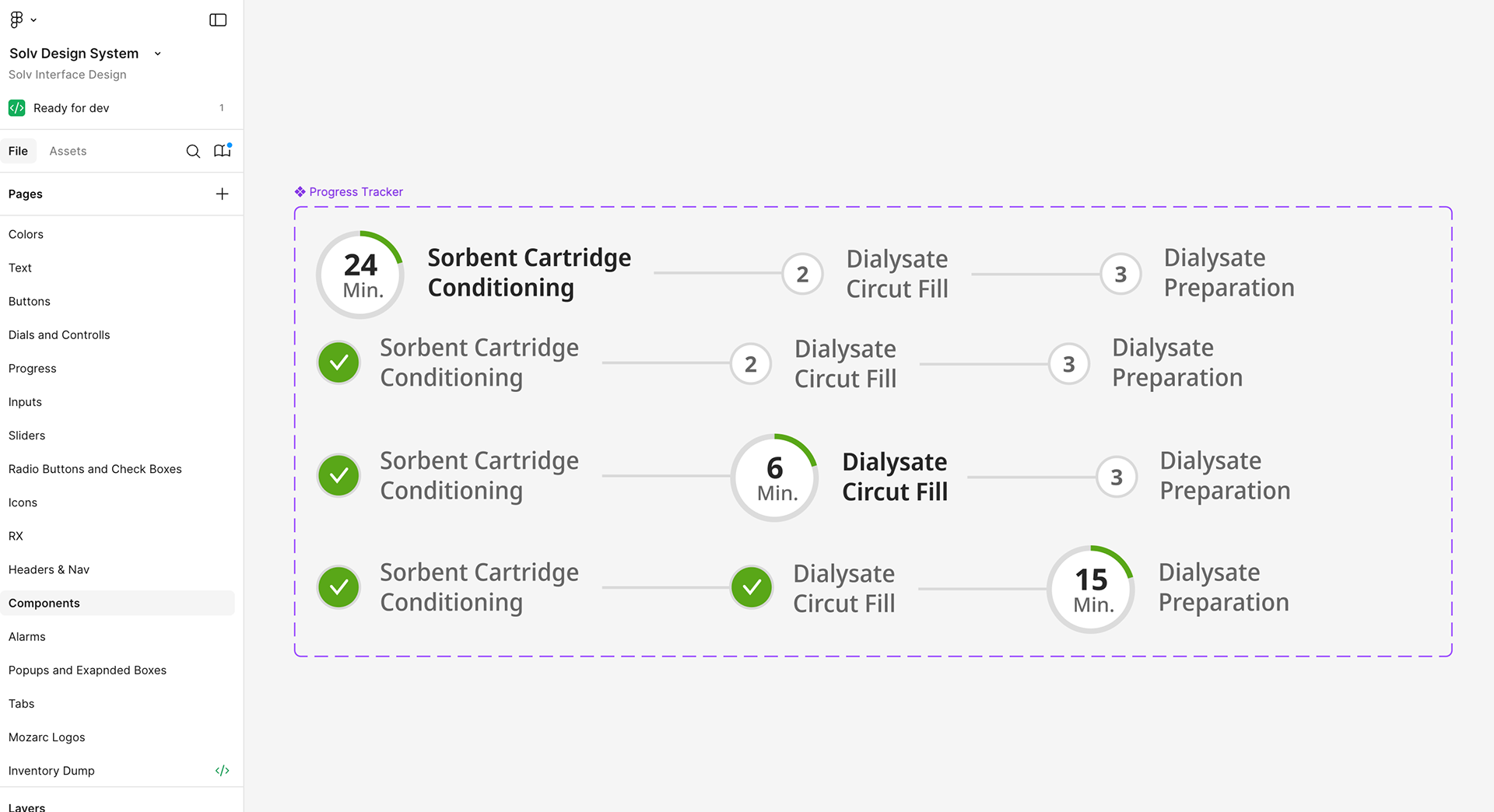
Solv Design System - Timeline Tracker Components
Results
The Solv Design System has fundamentally transformed our product development lifecycle:
Single Source of Truth:
By providing a unified library for design variables and components, we ensured that all teams remain aligned with the same standards.
By providing a unified library for design variables and components, we ensured that all teams remain aligned with the same standards.
Accelerated Workflows:
The system has significantly reduced design debt and accelerated the transition from concept to high-fidelity prototype.
The system has significantly reduced design debt and accelerated the transition from concept to high-fidelity prototype.
Elevated Quality:
Improved the accessibility and consistency of the user experience across the entire Mozarc product suite.
Improved the accessibility and consistency of the user experience across the entire Mozarc product suite.
Strategic Focus:
UX designers can now focus on solving complex user problems rather than reinventing foundational elements, resulting in a more cohesive brand identity and a streamlined development cycle.
UX designers can now focus on solving complex user problems rather than reinventing foundational elements, resulting in a more cohesive brand identity and a streamlined development cycle.